Introduction.
In a world that is constantly evolving through innovation, technology, and interconnected ideas, the ability to understand and adapt to new concepts has become more important than ever before.
Today’s society is shaped by rapid advancements, from digital communication and automation to global collaboration and information access, all of which influence how people learn, work, and interact.
As individuals and communities navigate these changes, they face new opportunities to grow and contribute meaningfully to their environments.
The pursuit of knowledge has expanded beyond traditional boundaries, allowing learners to explore diverse subjects and acquire skills that were once considered specialized or unreachable. Modern education encourages curiosity, creativity, and critical thinking, fostering an environment where people can develop innovative solutions to complex challenges. In this context, understanding the tools, systems, and principles that drive progress becomes essential for personal and professional development.
Whether it involves embracing new technologies, analyzing global trends, or reflecting on social and cultural issues, individuals must cultivate awareness and adaptability. This introduction aims to highlight the importance of learning, exploration, and continuous improvement in a world marked by constant transformation. By recognizing the dynamic nature of our surroundings, we can better appreciate the value of knowledge and the role it plays in shaping our future. As we move forward, the need for informed perspectives, responsible actions, and thoughtful decision-making grows stronger.
The concepts we encounter today are not isolated; they are interconnected elements that influence one another, creating a complex network of ideas that shape modern life. Understanding these connections helps us see the bigger picture, enabling us to approach challenges with clarity and confidence. It also empowers us to make meaningful contributions to our communities, workplaces, and global society. Through learning and exploration, we uncover new possibilities, discover innovative paths, and open doors to opportunities that can transform our lives.
Ultimately, the journey of learning is a lifelong process one that expands our vision, strengthens our abilities, and enriches our understanding of the world around us. As we engage with new information and evolving ideas, we gain the tools needed to navigate change and shape a brighter, more informed future.
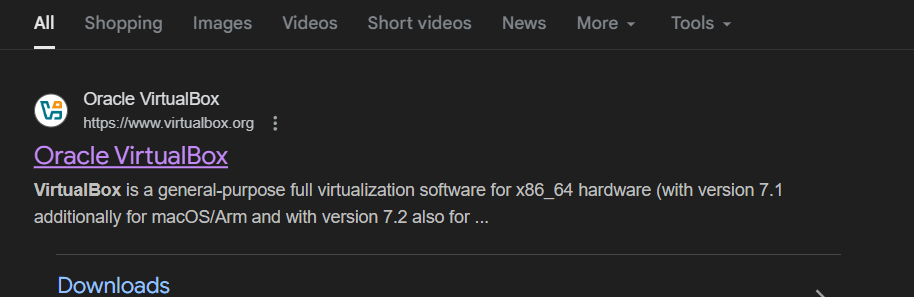
STEP 1 — Download and Install VirtualBox.
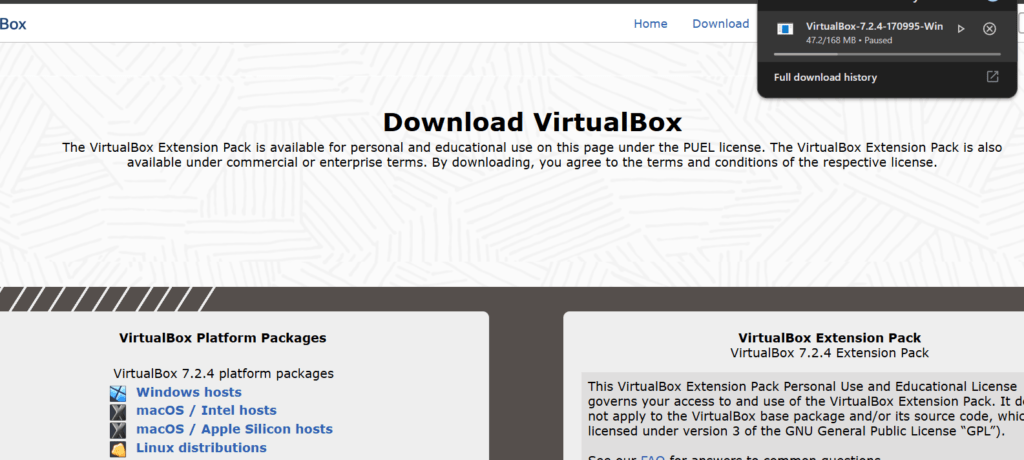
- Go to the VirtualBox download page:
https://www.virtualbox.org/wiki/Downloads - Choose your operating system (Windows / macOS / Linux).
- Download the installer.
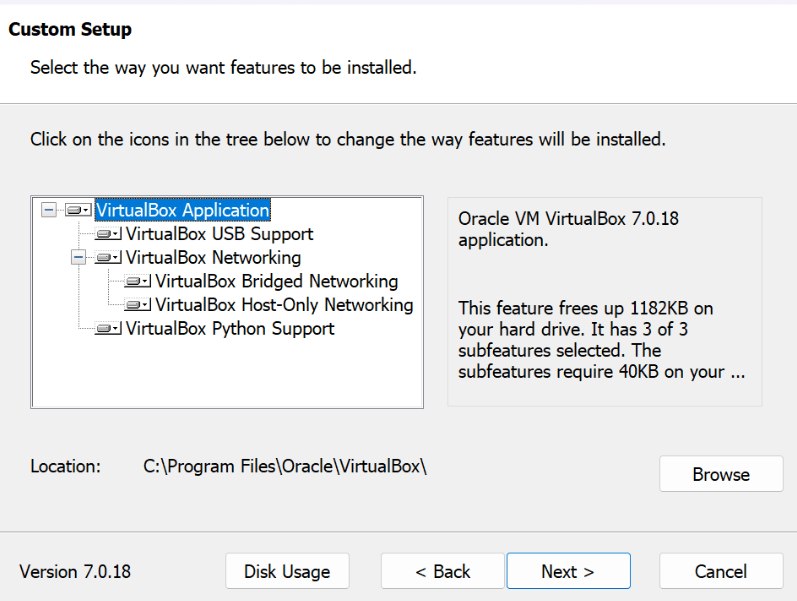
- Run the installer and follow the on-screen instructions (Next → Next → Install).
STEP 2 — Download a Linux ISO file.
Choose a Linux distribution. Popular beginner options:
| Distribution | ISO Download Page | Notes |
|---|---|---|
| Ubuntu | https://ubuntu.com/download | Most beginner-friendly |
| Linux Mint | https://linuxmint.com/download.php | Very easy to use |
| Debian | https://www.debian.org/distrib/ | Stable and lightweight |
Download the .ISO file (usually ~2–3 GB).
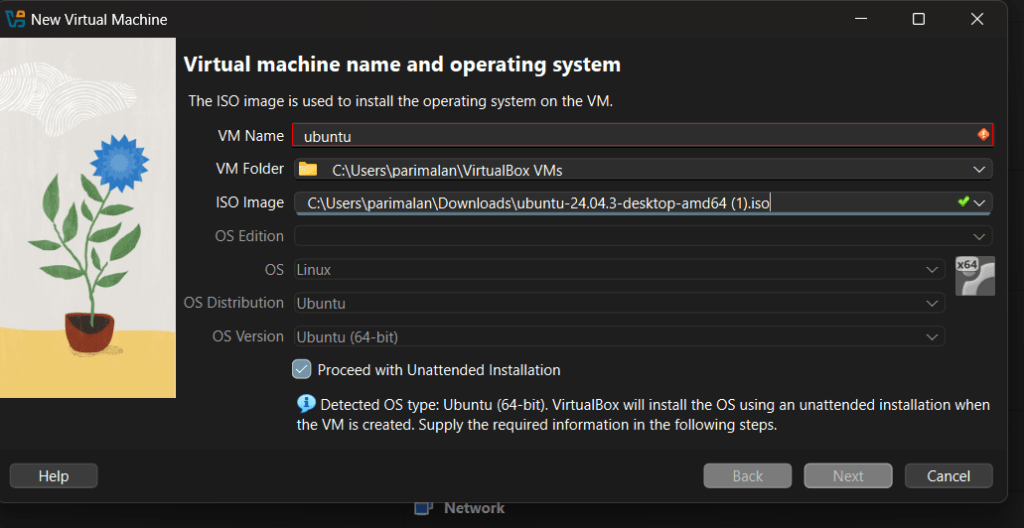
STEP 3 — Create a New Virtual Machine in VirtualBox.
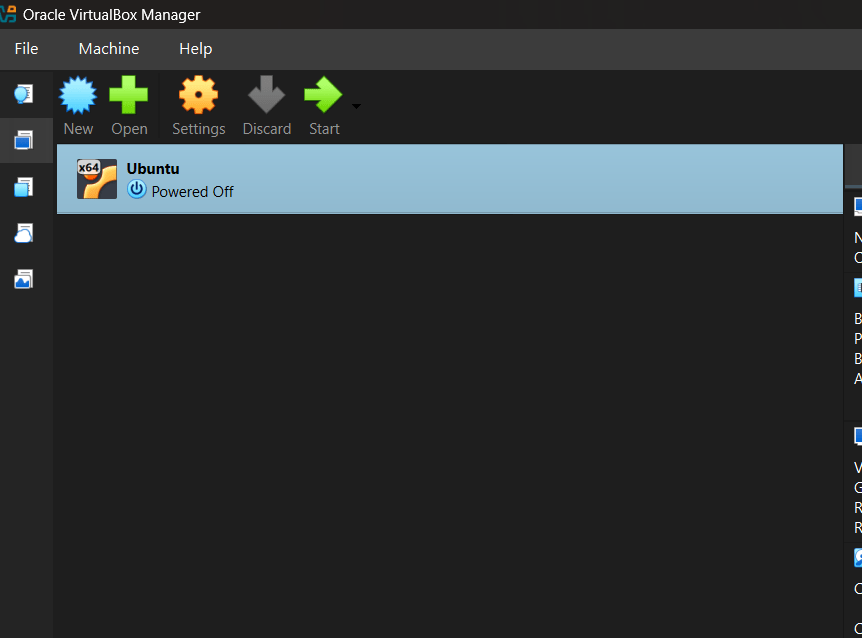
- Open VirtualBox.
- Click New.
- Enter:
- Name: Ubuntu (or whatever you downloaded)
- Type: Linux
- Version: choose the right one (e.g., Ubuntu (64-bit))
- Click Next.
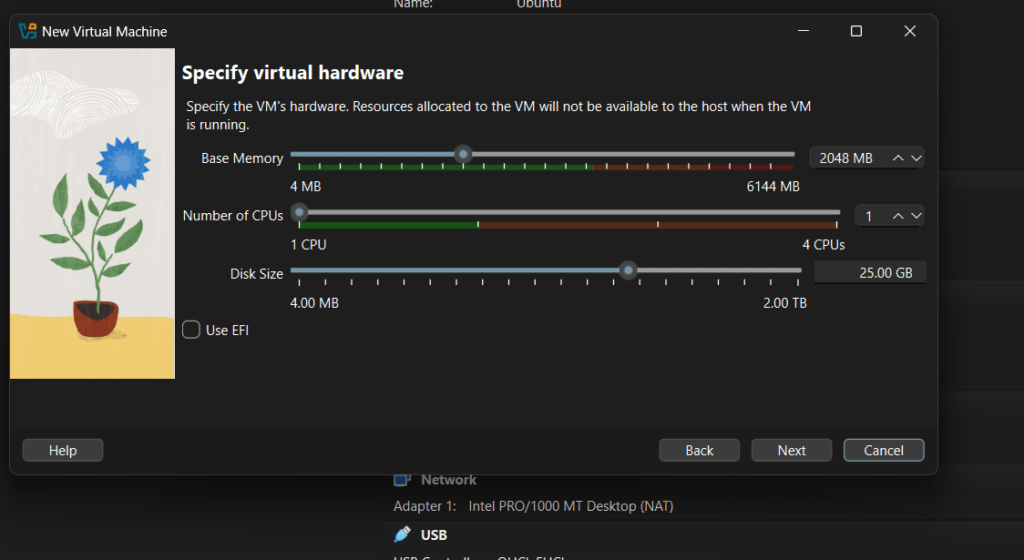
STEP 4 — Allocate Memory (RAM).
- Recommended:
- 2 GB (2048 MB) minimum
- 4 GB or more if your system has enough RAM
Select RAM amount → click Next.
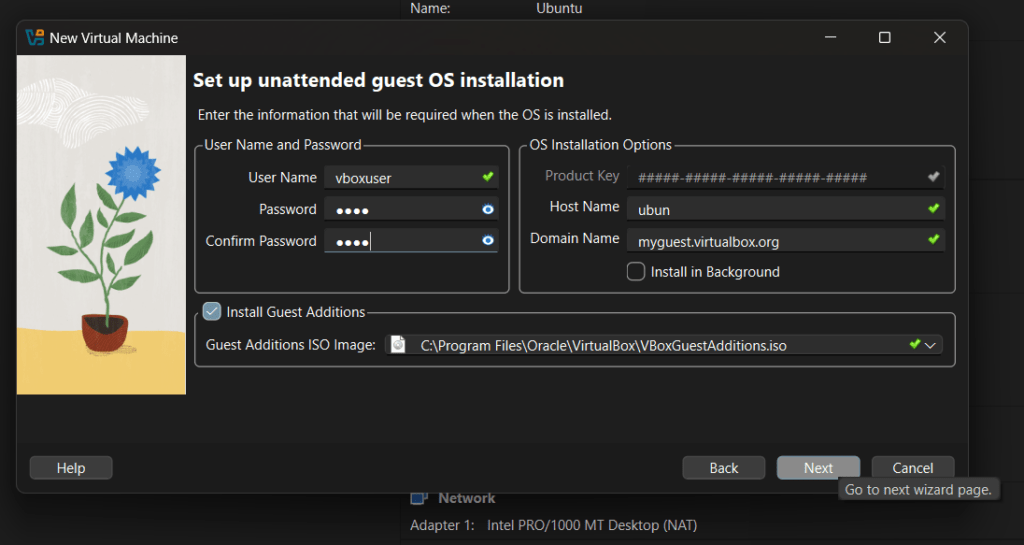
STEP 5 — Create the Virtual Hard Disk.
- Select Create a virtual hard disk now.
- Choose VDI (VirtualBox Disk Image).
- Choose Dynamically allocated (saves space).
- Choose size:
- 25 GB minimum
- 50 GB recommended for Ubuntu
Click Create.
STEP 6 — Attach the Linux ISO file.
- Select the VM on the left.
- Click Settings.
- Go to Storage.
- Under Controller: IDE → click the Empty disk.
- On the right, click the CD icon → Choose a disk file.
- Select the ISO you downloaded.
Click OK.
STEP 7 — Start the VM and Begin Installation.
- Select your VM.
- Click Start.
- The Linux installer will load.
- Click Install Ubuntu (or equivalent).
- Follow the on-screen setup:
- Language
- Keyboard layout
- Minimal or normal installation
- Install updates (optional)
- Erase disk (ONLY affects the VM’s virtual disk, safe!)
- Set:
- Username
- Password
- Computer name
Click Install and wait 5–15 minutes.
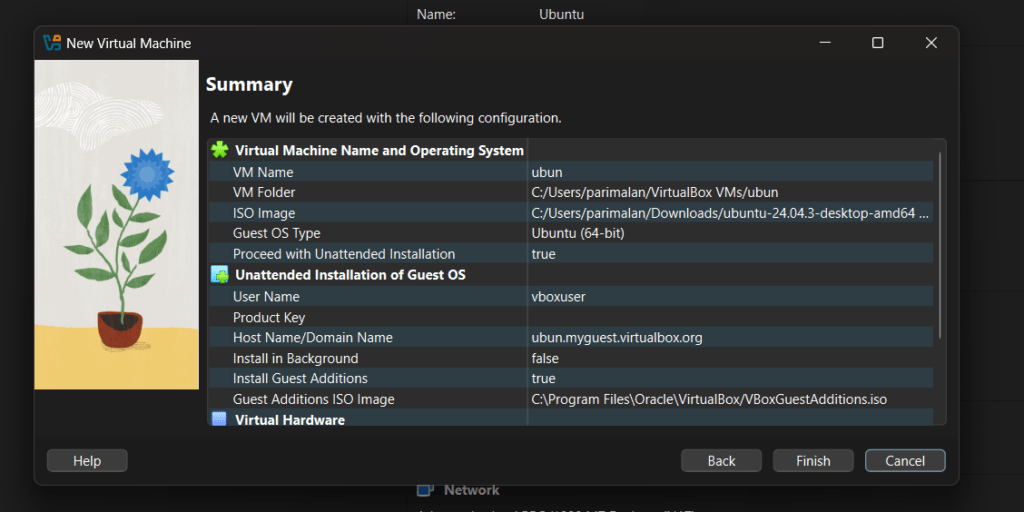
STEP 8 — Restart the VM.
After installation finishes:
- Click Restart Now
- If asked, remove installation medium → press Enter
Your Linux VM should boot into the desktop environment.
You Now Have Linux Running in a VM!
OPTIONAL: Improve Performance.
Install Guest Additions:
- Start the VM.
- At the top menu: Devices → Insert Guest Additions CD image.
- Run the installer inside Linux.
This gives:
- Better screen resolution
- Copy & paste between host and VM
- Faster graphics
Conclusion.
In conclusion, the journey through learning, adaptation, and continuous growth highlights the essential role that knowledge plays in shaping both individuals and society. As the world continues to evolve, driven by technological progress and global interconnectedness, the need for informed, thoughtful, and responsible engagement becomes increasingly important. By embracing curiosity and remaining open to new ideas, people gain the ability to understand complex issues, develop innovative solutions, and contribute positively to the changing world around them.
Ultimately, learning is not a destination but an ongoing process one that enriches our perspectives, strengthens our abilities, and prepares us to meet future challenges with confidence and resilience. Through this commitment to growth, we not only enhance our own lives but also help build a more thoughtful, informed, and forward-looking society.
For more information about Virtual Machine, you can refer to Jeevi’s page.