
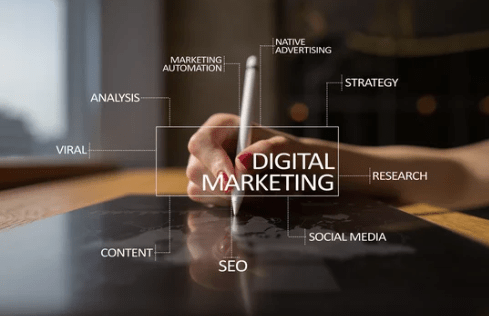
Digital marketing is no longer optional it’s a core skill for businesses, entrepreneurs, and professionals in 2026. With AI-driven platforms, evolving algorithms, and data-first strategies, the digital marketing course syllabus in 2026 has become more advanced, practical, and career-focused than ever before.
If you’re planning to enroll in a digital marketing course or want to understand what skills you’ll gain, this step-by-step syllabus breakdown will give you complete clarity.
Table of Contents
ToggleWhy Digital Marketing Skills Matter in 2026
Before diving into the syllabus, it’s important to understand why digital marketing is one of the most in-demand skills today.
- Businesses are shifting budgets from traditional to digital channels
- AI tools are reshaping marketing strategies
- Companies need professionals who can generate measurable ROI
- Freelancing and remote marketing jobs are growing rapidly
A job-oriented digital marketing course syllabus focuses on hands-on skills, tools, and real-world applications not just theory.
Overview: Digital Marketing Course Syllabus 2026
A modern digital marketing course is usually divided into beginner, intermediate, and advanced levels, covering:
- Marketing fundamentals
- Organic and paid marketing channels
- Analytics and automation
- AI tools and emerging trends
- Practical projects and certifications
Let’s explore each module step by step.
Step 1: Digital Marketing Fundamentals
Keywords: digital marketing basics, online marketing fundamentals, introduction to digital marketing
This module lays the foundation for beginners with no prior experience.
What You’ll Learn:
- What is digital marketing?
- Traditional marketing vs digital marketing
- Customer journey and digital touchpoints
- Types of digital marketing channels
- Understanding online consumer behavior
You’ll also learn how brands use digital platforms to attract, engage, and convert customers.
Step 2: Website Planning & Basics
Keywords: website planning, domain and hosting, SEO-friendly website
A website is the backbone of digital marketing.
Topics Covered:
- How websites work
- Domain name selection
- Web hosting basics
- Website structure and navigation
- UX/UI fundamentals
- SEO-friendly website design
Some courses also introduce WordPress basics so students can create their own websites.
Step 3: Search Engine Optimization (SEO)
Keywords: SEO course syllabus, search engine optimization, on-page SEO, off-page SEO, technical SEO
SEO remains one of the most valuable long-term digital marketing skills in 2026.
SEO Syllabus Breakdown:
- How search engines work
- Keyword research tools and techniques
- On-page SEO optimization
- Technical SEO fundamentals
- Off-page SEO and link building
- Local SEO and Google Business Profile
- SEO content optimization
- SEO audits and reporting
You’ll work with tools like Google Search Console, Ahrefs, SEMrush, or Ubersuggest.
Step 4: Content Marketing
Keywords: content marketing syllabus, digital content strategy, blogging for SEO
Content drives every digital channel.
What You’ll Learn:
- Content marketing strategy
- Blogging and article writing
- SEO content creation
- Copywriting fundamentals
- Video marketing basics
- Content calendars and planning
- Content distribution strategies
This module helps you create content that ranks, converts, and builds authority.
Step 5: Social Media Marketing (SMM)
Keywords: social media marketing course, Facebook marketing, Instagram marketing, LinkedIn marketing
Social media is a key traffic and branding channel.
Platforms Covered:
- Twitter (X)
- YouTube
- Pinterest (basic overview)
Skills You’ll Gain:
- Social media strategy creation
- Profile optimization
- Content planning & scheduling
- Reels and short-form video strategy
- Community management
- Social media analytics
Step 6: Paid Advertising (PPC & Performance Marketing)
Keywords: Google Ads course syllabus, PPC advertising, performance marketing
Paid marketing is essential for fast results.
Modules Include:
- Google Ads (Search, Display, Video)
- Keyword bidding strategies
- Ad copywriting
- Conversion tracking
- A/B testing ads
- Budget optimization
- ROI-based performance marketing
You’ll learn how to run profitable ad campaigns with measurable results.
Step 7: Social Media Advertising
Keywords: Facebook Ads, Instagram Ads, paid social media marketing
This module focuses specifically on paid social campaigns.
Topics Covered:
- Meta Ads Manager
- Audience targeting and retargeting
- Custom and lookalike audiences
- Creative ad formats
- Campaign optimization
- Scaling winning ads
This skill is highly valuable for freelancers and e-commerce marketers.
Step 8: Email Marketing & Marketing Automation
Keywords: email marketing syllabus, marketing automation tools
Email marketing still delivers one of the highest ROIs.
You’ll Learn:
- Email marketing fundamentals
- Building email lists
- Email copywriting
- Campaign vs automation emails
- Drip campaigns and funnels
- Tools like Mailchimp, HubSpot, or Brevo
Automation is a key focus in the 2026 digital marketing syllabus.
Step 9: Analytics & Data Tracking
Keywords: Google Analytics GA4, digital marketing analytics, KPI tracking
Data-driven marketing is non-negotiable.
Skills Covered:
- Google Analytics 4 (GA4)
- Google Tag Manager basics
- Tracking conversions and events
- KPI and performance metrics
- Campaign reporting
- ROI analysis
You’ll learn how to measure what’s working and what’s not.
Step 10: E-commerce & Marketplace Marketing
Keywords: e-commerce marketing, Amazon marketing, online store promotion
For those interested in selling products online.
Topics Include:
- E-commerce business models
- Shopify and WooCommerce basics
- Product listing optimization
- Marketplace ads (Amazon, Flipkart)
- Conversion rate optimization (CRO)
Step 11: AI Tools in Digital Marketing (2026 Focus)
Keywords: AI in digital marketing, digital marketing tools 2026
A major addition to modern syllabi.
AI Tools Covered:
- AI content generation
- AI for keyword research
- Ad creative automation
- Chatbots and customer support
- Predictive analytics
- Marketing automation with AI
This module prepares students for the future of digital marketing.
Step 12: Online Reputation Management (ORM)
Keywords: online reputation management, brand reputation
What You’ll Learn:
- Brand monitoring
- Managing online reviews
- Crisis management
- Social listening tools
- Building brand trust online
Step 13: Freelancing & Career Guidance
Keywords: digital marketing careers, freelancing in digital marketing
A job-oriented syllabus includes career preparation.
Topics Covered:
- Freelancing platforms overview
- Client acquisition strategies
- Proposal writing
- Personal branding
- Resume and portfolio building
- Interview preparation
Step 14: Practical Projects & Certifications
Keywords: digital marketing projects, digital marketing certification
Practical Training Includes:
- Live projects
- Real ad campaigns
- SEO audits
- Social media calendars
- Campaign reports
Most courses also help with:
- Google Ads certification
- Google Analytics certification
- Meta Blueprint certification
Who Should Enroll in a Digital Marketing Course in 2026?
- Students and fresh graduates
- Working professionals
- Business owners
- Entrepreneurs and startups
- Freelancers and content creators
- Career switchers
Final Thoughts
The Digital Marketing Course Syllabus 2026 is designed to make you job-ready, future-proof, and skill-focused. From SEO and social media to AI tools and analytics, this step-by-step learning path equips you with everything needed to succeed in the digital world.
If you’re choosing a course, always check:
- Practical training
- Updated syllabus
- Industry tools
- Certifications
- Career support
A well-structured digital marketing course can open doors to high-paying jobs, freelancing income, and business growth in 2026 and beyond.




