In today’s digital world, cybersecurity is no longer just a concern for large companies or tech experts—it affects everyone. From online shopping and social media to banking and education, our daily lives are deeply connected to the internet. While technology makes life easier, it also exposes us to cyber threats like hacking, phishing, identity theft, and online scams.
Whether you’re a student using free Wi-Fi, a parent shopping online, or someone managing bank accounts through mobile apps, cybersecurity plays a crucial role in protecting your personal information, privacy, and finances.
The Digital World We Live In
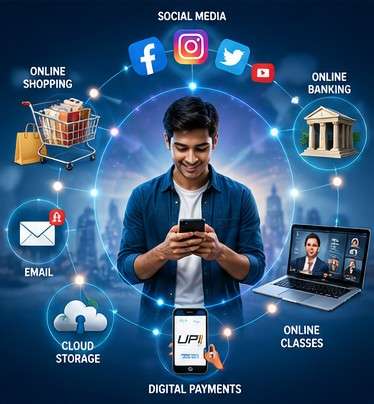
Think about how often you use technology every day:
- Checking social media
- Online shopping
- Digital payments
- Watching videos
- Email communication
- Cloud storage
- Online classes or remote work
Almost every online action involves sharing data. This data may include your passwords, photos, bank details, personal messages, and identity information.
Cybercriminals target this information because it can be used for fraud, blackmail, or theft.
Common Cyber Threats in Everyday Life
Cybersecurity matters because threats are everywhere, often hidden in ordinary activities.
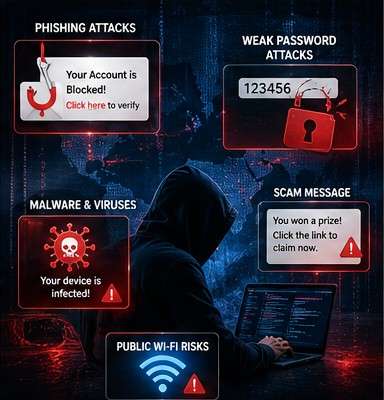
🎣 Phishing Attacks
Phishing happens when scammers send fake emails, messages, or websites pretending to be trusted companies to steal your passwords or financial information.
Example:
A fake bank message saying, “Your account is blocked. Click here to verify.”
🔓 Weak Password Attacks
Using simple passwords like “123456” or “password” makes accounts easy targets.
🦠 Malware and Viruses
Downloading unsafe files or clicking suspicious links can infect your device, steal data, or damage your system.
🌐 Public Wi-Fi Risks
Free Wi-Fi in cafes, airports, or malls can expose your information if not used carefully.
Protecting Your Money and Financial Security
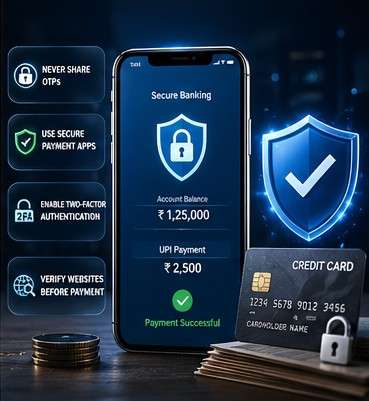
Online banking and digital payments are convenient, but cyber threats can directly impact your money.
Without cybersecurity:
- Bank details can be stolen
- Credit card fraud can happen
- Fake payment apps can scam users
- UPI/payment fraud may occur
Example:
A scammer may impersonate customer support and trick someone into sharing OTPs.
Everyday Protection:
- Never share OTPs
- Use secure payment apps
- Enable two-factor authentication
- Verify websites before payment
Protecting Personal Privacy
Your photos, conversations, browsing habits, and personal details are valuable.
Cybersecurity helps protect:
- Social media accounts
- Personal photos
- Emails
- Location data
- Identity documents
Identity theft can happen when someone uses your personal information for illegal purposes.
Example:
If your social media gets hacked, scammers may impersonate you and target your friends.
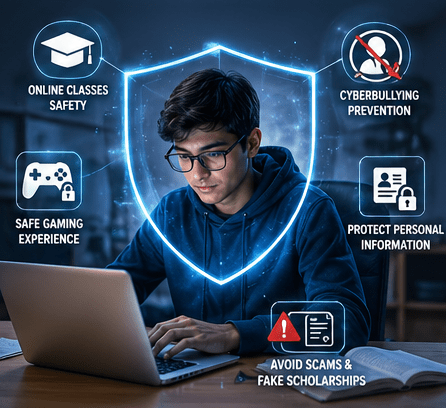
Why Students Need Cybersecurity Too
Students often believe cybersecurity is only for businesses, but they are frequent targets because of:
- Online classes
- Educational apps
- Shared devices
- Gaming platforms
- Social media
Risks for Students:
- Cyberbullying
- Fake scholarship scams
- Gaming account theft
- Data leaks
Smart Homes and Family Safety
Many homes now use:
- Smart TVs
- Security cameras
- Voice assistants
- Smart doorbells
If unsecured, hackers may access these devices.
Cybersecurity protects not just your phone or laptop—but your entire home environment.
Simple Cybersecurity Habits Everyone Should Follow
✅ Use Strong Passwords
Mix uppercase, lowercase, numbers, and symbols.
✅ Enable Two-Factor Authentication (2FA)
Adds an extra layer of protection.
✅ Keep Software Updated
Updates fix security weaknesses.
✅ Avoid Suspicious Links
Never click unknown messages or emails.
✅ Use Trusted Antivirus Software
Protects devices from malware.
✅ Be Careful on Public Wi-Fi
Use VPNs or avoid sensitive transactions.
Cybersecurity in the Future
As AI, smart devices, and digital platforms grow, cyber threats are becoming more advanced. Cybersecurity will become even more important in:
- Self-driving cars
- Smart cities
- Online education
- Healthcare systems
- Digital identities
Cybersecurity is not just about technology—it’s about protecting your lifestyle.
Final Thoughts
Cybersecurity matters in everyday life because our personal, financial, and social worlds are connected online. A single weak password or careless click can lead to serious consequences.
Staying safe online doesn’t require being a tech expert—it requires awareness, smart habits, and basic security practices.
Remember:
Cybersecurity is everyone’s responsibility.
The more digitally connected we become, the more essential it is to protect ourselves.
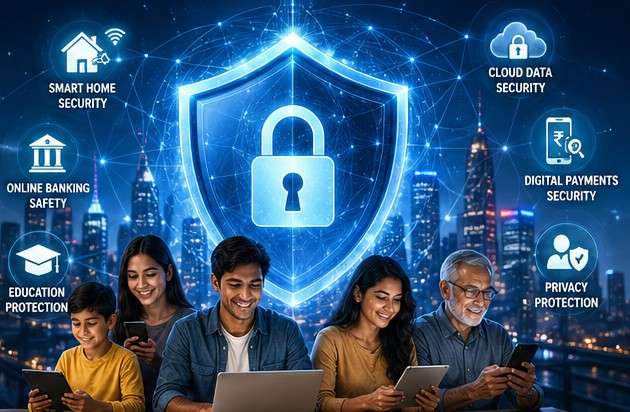
In a world where nearly every part of our lives is connected online, cybersecurity is no longer optional—it is essential. Protecting yourself in the digital age means staying informed, practicing safe habits, and making security a part of your everyday routine. The internet offers incredible opportunities, but true digital freedom comes from knowing how to stay safe while using it.