Introduction:
MIOps (Model Intelligence Operations) is the practice of managing,
monitoring, and optimizing machine learning models in production. It
focuses on ensuring that ML models remain accurate, reliable, explainable,
and aligned with business goals after deployment.
In simple terms:
MIOps keeps ML models smart, trustworthy, and useful over time.
Why MIOps Is Important:
Deploying a machine learning model is not the finish line — it’s the
beginning.
Once in production, models face:
● Changing data patterns (data drift)
● Performance degradation
● Bias and fairness issues
● Compliance and explainability requirements
Without MIOps, models slowly lose value — often without anyone noticing.
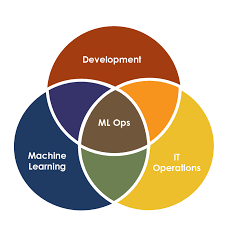
MIOps ensures continuous model intelligence, not just model
availability.
Core Components of MIOps :
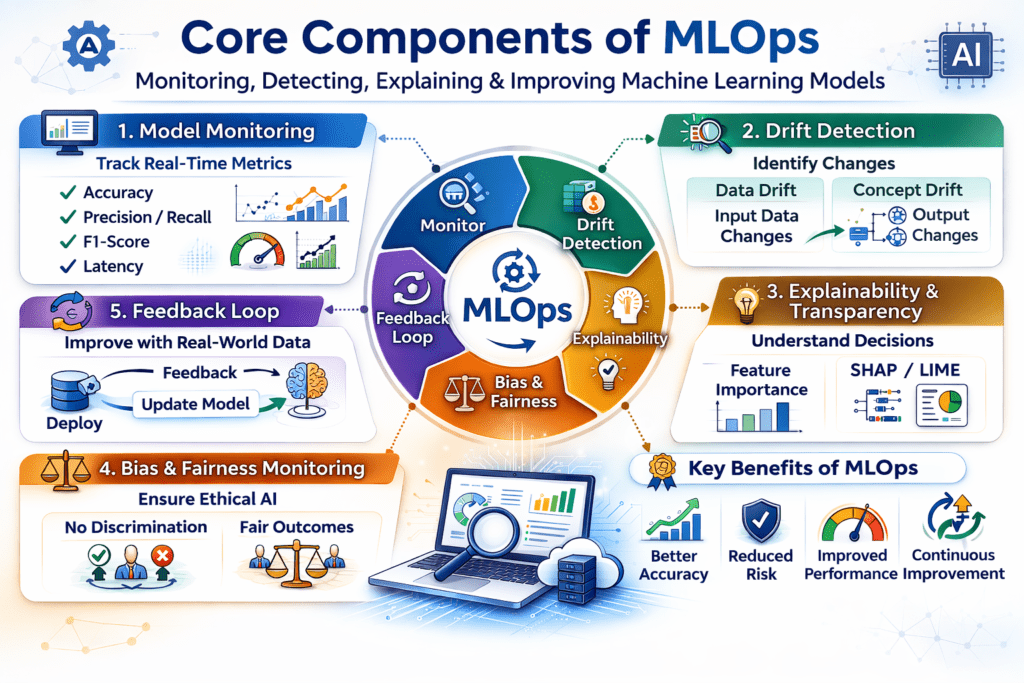
1.Model Monitoring:
Track real-time performance metrics like:
● Accuracy
● Precision / Recall
● F1-score
● Latency
2.Drift Detection:
Identify:
● Data drift (input data changes)
● Concept drift (relationship between inputs and outputs changes)
3.Explainability & Transparency:
Understand why a model makes decisions using:
● Feature importance
● SHAP / LIME explanations
4.Bias & Fairness Monitoring:
Ensure models do not produce discriminatory or unethical outcomes.
5.Feedback Loops:
Incorporate real-world outcomes to continuously improve models.
Key Benefits of MIOps:
1.Sustained Model Accuracy:
Models stay relevant even as data evolves.
2.Trust & Explainability:
Stakeholders understand and trust model decisions.
3.Fairness & Compliance:
Critical for regulated industries like finance and healthcare.
4.Continuous Improvement:
Models learn from real-world feedback.
5.Better Business Outcomes:
Decisions remain aligned with business objectives.
Common MIOps Use Cases :
● Fraud detection models
● Credit scoring systems
● Recommendation engines
● Demand forecasting
● Risk assessment
● Customer churn prediction
Challenges in Implementing MIOps:
● Lack of labeled production data
● Measuring model performance in real-world conditions
● Balancing accuracy with explainability
● Integrating MIOps with existing MLOps tools
Tools Supporting MIOps:
While not always labeled as “MIOps” many tools support its practices:
● Model monitoring platforms
● Explainable AI (XAI) tools
● Drift detection systems
● Analytics dashboards
The Future of MIOps:
As AI systems become more autonomous and regulated, MIOps will
be essential. Organizations will need not only operational models but
responsible, transparent, and continuously validated intelligence.
MIOps bridges the gap between technical performance and
business trust.
MIOps Architecture: How It Works in Practice:
A typical MIOps architecture sits on top of MLOps and focuses on Key
Layers
1.Data Observation Layer:
Monitors incoming production data for:
● Distribution shifts
● Missing or corrupted values
● Out-of-range features
2.Model Evaluation Layer:
Evaluates live predictions against:
● Historical baselines
● Business KPIs
● Ground truth (when available)
3.Intelligence Validation Layer:
Validates:
● Prediction confidence
● Decision consistency
● Rule violations (e.g., compliance thresholds)
4.Feedback & Learning Layer:
Feeds outcomes back into:
● Model retraining
● Feature engineering
● Threshold tuning
intelligence validation rather than deployment.
Model Drift Explained (Critical for MIOps):
Types of Drift:
Data Drift:
Input data changes but the underlying relationship remains the same.
Example:
Customer age distribution shifts after market expansion.
Concept Drift:
The relationship between inputs and outputs changes.
Example:
A fraud pattern changes because attackers adapt.
Prediction Drift:
Model output distribution changes even when inputs don’t.
MIOps continuously monitors all three to prevent silent model failure.
MIOps Metrics That Actually Matter:
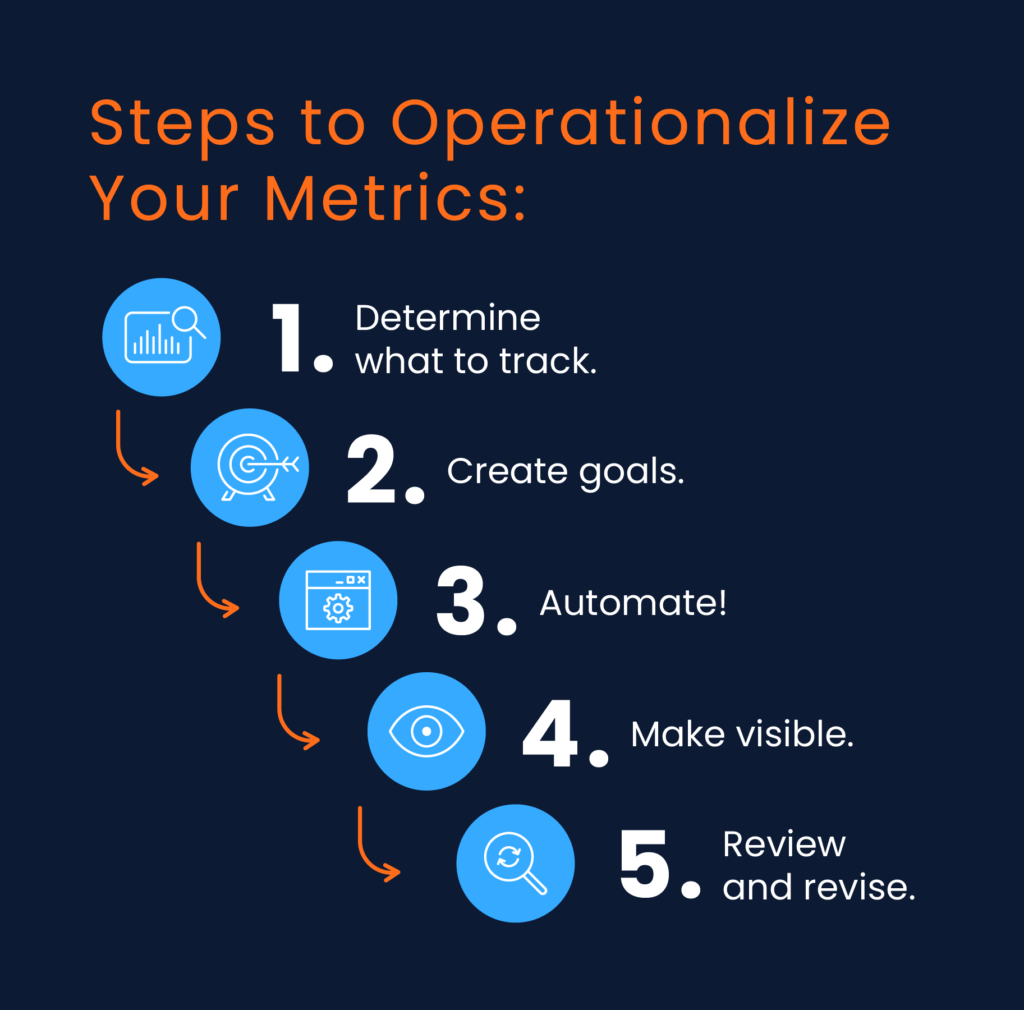
Traditional ML metrics aren’t enough in production:
Technical Metrics:
● Accuracy decay rate
● Prediction confidence
● Feature importance stability
● Latency variance
Business Metrics:
● Revenue impact
● Risk exposure
● Customer satisfaction
● False positive cost
MIOps connects model behavior to business outcomes.
MIOps in Regulated Industries:
MIOps is especially critical in regulated environments:
Real-World Applications:
Banking & Finance:
● Credit scoring fairness
● Regulatory explainability
● Bias audits
Healthcare:
● Model transparency for diagnoses
● Patient safety monitoring
● Data privacy compliance
Insurance:
● Claim approval consistency
● Risk model validation
● Ethical AI enforcement
IT Operations:
- Predictive maintenance
- Automated anomaly detection
Without MIOps, organizations risk regulatory violations and reputational
damage.
Challenges in MLOps:
The future includes:
- Automated AI pipelines
- Explainable AI integration
- Edge AI deployment
- Increased AI governance
MLOps will continue evolving as AI adoption grows worldwide.
Conclusion:
Machine Learning Operations is essential for building scalable, reliable, and production-ready AI systems. By combining automation, monitoring, and collaboration, MLOps ensures machine learning models deliver consistent value over time.