Table of Contents
ToggleWhat Is an SEO Course Syllabus?
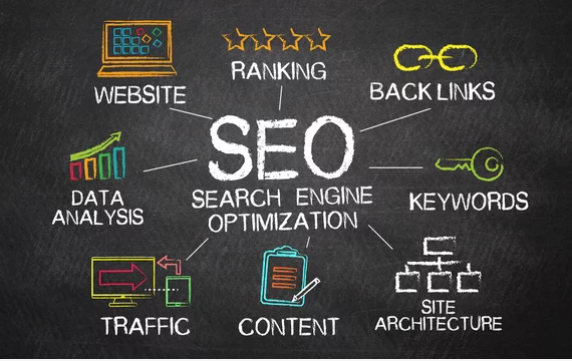
An SEO course syllabus is a structured curriculum designed by experts or institutions. It outlines:
- SEO fundamentals
- Keyword research
- On-page SEO
- Off-page SEO
- Technical SEO
- Tools training
- Analytics & reporting
- SEO projects
A typical SEO syllabus is divided into modules, with assignments, quizzes, and certifications.
Example of a Standard SEO Course Syllabus
Most structured courses include:
- Introduction to SEO
- Search Engine Basics (How Google Works)
- Keyword Research & Search Intent
- On-Page SEO Optimization
- Technical SEO (Crawling, Indexing, Core Web Vitals)
- Link Building & Off-Page SEO
- Local SEO
- SEO Tools (Search Console, Analytics, keyword tools)
- SEO Audit & Reporting
- Live Projects or Case Studies
This step-by-step approach ensures you don’t miss important topics.
What Is a Self-Learning SEO Roadmap?
A self-learning SEO roadmap is when you design your own learning path using:
- YouTube tutorials
- Blogs
- Free SEO guides
- SEO communities
- Practice websites
You decide what to learn and when.
Instead of following a fixed SEO syllabus, you build your own roadmap based on your interests and goals.
SEO Course Syllabus vs Self-Learning Roadmap: Key Differences
| Factor | SEO Course Syllabus | Self-Learning Roadmap |
|---|---|---|
| Structure | Pre-designed modules | Flexible & self-designed |
| Discipline | High (scheduled learning) | Requires strong self-motivation |
| Cost | Paid (mostly) | Mostly free |
| Certification | Yes | No formal certification |
| Mentorship | Often included | Rare |
| Flexibility | Limited | High |
| Depth | Balanced coverage | Depends on learner |
Advantages of an SEO Course Syllabus
1. Structured Learning Path
A professional SEO syllabus ensures you cover all major topics without gaps.
2. Expert Guidance
Courses from platforms like HubSpot Academy are designed by industry experts.
3. Certification
Certifications improve credibility when applying for SEO jobs.
4. Accountability
Deadlines and assignments keep you consistent.
5. Faster Job Readiness
A complete SEO course syllabus is usually job-oriented.
Disadvantages of an SEO Course Syllabus
- Can be expensive
- May include outdated modules
- Limited flexibility
- Sometimes too theoretical
Advantages of a Self-Learning SEO Roadmap
1. Free or Low Cost
Most SEO blogs and YouTube content are free.
2. Learn at Your Own Speed
You can spend extra time on technical SEO or content SEO.
3. Updated Knowledge
Following SEO experts helps you stay current with algorithm updates.
4. Practical Approach
Many self-learners build their own websites to practice SEO.
Disadvantages of Self-Learning SEO
- No structured SEO syllabus
- Risk of missing important topics
- No certification
- Can feel overwhelming
- No mentor support
Which Is Better for You?
Choose an SEO Course Syllabus If:
- You are a beginner
- You need certification
- You want job placement support
- You struggle with self-discipline
- You prefer structured learning
Choose a Self-Learning SEO Roadmap If:
- You are self-motivated
- You already understand basics
- You want flexibility
- You are learning SEO for your own business
- Budget is limited
The Smartest Option: Hybrid Approach.
The best strategy?
Follow a basic SEO course syllabus to build strong fundamentals.
Then create a self-learning SEO roadmap for advanced practice.
For example:
- Learn fundamentals via structured course
- Practice on your own blog
- Join SEO communities
- Perform live SEO audits
- Experiment with ranking pages
This gives you structure + flexibility.
SEO Syllabus Example (If You Want to Self-Learn)
If you’re choosing the self-learning route, here’s a recommended SEO syllabus roadmap:
Month 1 – Fundamentals
- How search engines work
- Keyword research basics
- Search intent
Month 2 – On-Page & Content SEO
- Title tags & meta descriptions
- Internal linking
- Content optimization
Month 3 – Technical & Off-Page SEO
- Technical SEO basics
- Backlink building
- SEO tools practice
- SEO audit
This 3-month SEO syllabus can make you job-ready.
Final Verdict.
There is no universal “best” option.
If you want structure → Choose an SEO course syllabus
If you want flexibility → Choose a self-learning roadmap
If you want maximum results → Combine both
SEO is skill-based. What truly matters is implementation, not just the syllabus.