Table of Contents
ToggleDescription
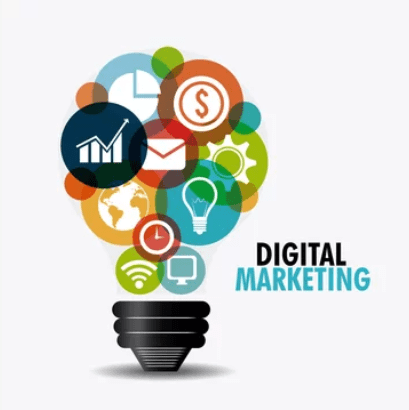
Digital marketing is the use of online platforms like search engines, social media, websites, email, and mobile apps to promote products or services. It includes SEO for organic visibility, paid advertising for instant reach, content marketing to educate users, and social media marketing to build engagement and trust. Email marketing and marketing automation help nurture leads, while analytics tools measure performance and ROI. Mobile marketing, AI, chatbots, and programmatic ads improve personalization and efficiency. Together, these strategies help businesses attract, engage, convert, and retain customers effectively.
Why Digital Marketing Matters
Digital marketing matters because it helps businesses reach the right audience online, increase brand visibility, and generate leads at a lower cost than traditional marketing. It allows real-time tracking of results, better customer targeting, and personalized communication across multiple channels. With tools like SEO, paid ads, social media, content, email, analytics, and AI, businesses can attract, engage, and convert customers more efficiently while adapting quickly to market changes.
In one line
Digital marketing matters because it helps businesses reach the right customers online, track results instantly, and grow faster at a lower cost.
In simple words
In simple words, digital marketing means promoting a business online to reach more people and increase sales easily.
For interview:
Digital marketing is promoting products or services online using platforms like search engines, social media, and email to reach the right audience and drive sales.
1. General Digital Marketing
Q1: What is digital marketing?
A: Digital marketing is the promotion of products or services using online channels such as search engines, social media, email, and websites. It focuses on reaching target audiences efficiently through measurable strategies.
Q2: Why is digital marketing important for businesses?
A: Digital marketing allows businesses to reach a global audience, track performance in real-time, and engage customers more personally. It’s cost-effective compared to traditional marketing.
Q3: What are the key channels of digital marketing?
A: The main channels include SEO, SEM, social media marketing, content marketing, email marketing, affiliate marketing, and influencer marketing. Each channel serves a specific purpose in the marketing funnel.
Q4: What’s the difference between inbound and outbound marketing?
A: Inbound marketing attracts customers through valuable content and engagement, while outbound marketing pushes messages to potential customers via ads or cold outreach. Inbound is often more cost-effective.
Q5: How do you measure the success of digital marketing campaigns?
A: Metrics like ROI, conversion rate, click-through rate, engagement rate, and customer acquisition cost help measure campaign performance. Tools like Google Analytics and social media insights track these metrics.
2. SEO (Search Engine Optimization)
Q6: What is SEO and why is it important?
A: SEO is the process of optimizing websites to rank higher on search engine results pages (SERPs). It increases organic traffic, improves visibility, and builds long-term brand credibility.
Q7: What’s the difference between on-page and off-page SEO?
A: On-page SEO focuses on optimizing content, meta tags, and site structure. Off-page SEO involves building backlinks and enhancing domain authority through external efforts.
Q8: What are meta tags and why are they important?
A: Meta tags provide information about a web page to search engines and users. They help improve click-through rates and search rankings by accurately describing page content.
Q9: Explain the difference between organic and paid search.
A: Organic search results are free listings ranked by relevance, while paid search uses ads that appear at the top or bottom of SERPs. Organic traffic is sustainable, but paid traffic provides immediate visibility.
Q10: What is a backlink, and why is it important?
A: A backlink is a link from one website to another. High-quality backlinks improve domain authority, enhance search rankings, and drive referral traffic.
3. SEM / Paid Advertising
Q11: What is PPC?
A: PPC (Pay-Per-Click) is a digital advertising model where advertisers pay each time their ad is clicked. It’s commonly used on platforms like Google Ads and social media.
Q12: Explain Quality Score in Google Ads.
A: Quality Score measures the relevance and quality of your ads, keywords, and landing pages. Higher scores lead to lower CPC and better ad placements.
Q13: What is remarketing?
A: Remarketing targets users who have previously interacted with your website or content. It helps re-engage potential customers and increase conversion rates.
Q14: How do you optimize a Google Ads campaign?
A: Optimizing involves refining keywords, improving ad copy, adjusting bids, testing different targeting options, and monitoring performance metrics. Continuous testing is crucial.
Q15: What is the difference between CPC and CPM?
A: CPC (Cost Per Click) charges advertisers per click on an ad, while CPM (Cost Per Mille) charges per thousand impressions. CPC focuses on engagement, and CPM focuses on visibility.
4. Social Media Marketing
Q16: What are the key social media platforms for marketing?
A: Platforms like Facebook, Instagram, LinkedIn, Twitter (X), TikTok, and YouTube are widely used. Each platform serves different audience types and marketing goals.
Q17: How do you measure social media ROI?
A: ROI can be measured by tracking engagement, conversions, leads, sales, and brand awareness. Tools like Facebook Insights and Hootsuite provide analytics for measurement.
Q18: What is social media engagement, and why does it matter?
A: Engagement includes likes, comments, shares, and clicks. High engagement indicates that content resonates with the audience and boosts organic reach.
Q19: How would you create a social media strategy?
A: Start by defining goals, understanding the target audience, choosing platforms, planning content types, setting KPIs, and tracking performance. Strategy should be flexible and data-driven.
Q20: What is influencer marketing?
A: Influencer marketing leverages individuals with large social followings to promote products. It builds trust, expands reach, and can drive conversions more effectively than traditional ads.
5. Content Marketing
Q21: What is content marketing?
A: Content marketing is creating valuable and relevant content to attract, engage, and retain an audience. It aims to build trust and encourage profitable customer actions.
Q22: What types of content are commonly used in digital marketing?
A: Blogs, videos, infographics, eBooks, podcasts, case studies, and social media posts are common. Each type serves a specific purpose in the marketing funnel.
Q23: How do you measure content marketing success?
A: Metrics include page views, engagement, time on page, leads generated, and conversion rates. Tracking these helps improve content strategies.
Q24: What is a content calendar?
A: A content calendar is a schedule for planning, creating, and publishing content. It ensures consistency, organization, and alignment with marketing goals.
Q25: How do you optimize content for SEO?
A: Use relevant keywords, meta tags, headings, internal/external links, optimized images, and high-quality, readable content. SEO optimization improves rankings and organic traffic.
6. Email Marketing
Q26: What is email marketing?
A: Email marketing involves sending targeted emails to nurture leads, engage customers, and promote products or services. It’s cost-effective and measurable.
Q27: What is a good email open rate?
A: Open rates vary by industry but generally range from 15% to 30%. A higher rate indicates effective subject lines and audience targeting.
Q28: How do you improve email click-through rates?
A: Improve CTR by using compelling subject lines, personalized content, clear CTAs, mobile-friendly design, and segmenting the email list.
Q29: What is email segmentation?
A: Segmentation divides an email list based on demographics, behavior, or preferences. This allows for more personalized and relevant messaging.
Q30: What is an autoresponder?
A: An autoresponder is an automated email sent to subscribers based on triggers like sign-ups or purchases. It saves time and maintains consistent communication.
7. Analytics & Data
Q31: What is Google Analytics?
A: Google Analytics tracks website traffic, user behavior, and conversion data. It helps marketers make data-driven decisions to optimize campaigns.
Q32: What is a KPI in digital marketing?
A: KPI (Key Performance Indicator) measures progress toward marketing goals. Examples include conversion rate, CTR, and cost per lead.
Q33: What is conversion rate optimization (CRO)?
A: CRO improves the percentage of visitors who take desired actions on a website. It involves testing landing pages, CTAs, and user experience.
Q34: How do you track ROI in digital marketing?
A: ROI is calculated by dividing net profit from campaigns by campaign costs, then multiplying by 100. Tools like Google Analytics and marketing dashboards help track ROI.
Q35: What is A/B testing?
A: A/B testing compares two versions of a webpage, email, or ad to determine which performs better. It’s essential for data-driven optimization.
8. Mobile & Emerging Marketing
Q36: What is mobile marketing?
A: Mobile marketing targets users on smartphones and tablets through apps, SMS, push notifications, and mobile ads. It’s essential due to growing mobile usage.
Q37: What is app store optimization (ASO)?
A: ASO improves an app’s visibility in app stores through optimized titles, keywords, reviews, and screenshots. Better ASO drives organic downloads.
Q38: What is programmatic advertising?
A: Programmatic advertising uses automated software to buy digital ads in real-time. It targets audiences efficiently using data-driven insights.
Q39: What are chatbots in marketing?
A: Chatbots are automated tools that interact with customers in real-time. They improve engagement, provide instant support, and guide users through the sales funnel.
Q40: How is AI transforming digital marketing?
A: AI helps automate campaigns, predict trends, personalize content, and analyze data. It improves efficiency and creates smarter marketing strategies.
9. Strategy & Miscellaneous
Q41: What is a marketing funnel?
A: A marketing funnel shows the customer journey from awareness to conversion. Understanding the funnel helps optimize campaigns for each stage.
Q42: What is remarketing vs retargeting?
A: Remarketing typically refers to email campaigns targeting past visitors, while retargeting uses ads to bring previous visitors back. Both aim to increase conversions.
Q43: What is the difference between B2B and B2C marketing?
A: B2B marketing targets businesses, focusing on relationships and ROI, while B2C marketing targets individual consumers, emphasizing emotional appeal and engagement.
Q44: How do you stay updated with digital marketing trends?
A: Following blogs, podcasts, webinars, industry newsletters, and networking with professionals keeps marketers informed about evolving trends and tools.
Q45: What are long-tail keywords and why are they important?
A: Long-tail keywords are longer, more specific phrases. They attract highly targeted traffic, reduce competition, and improve conversion rates.
Q46: How would you handle a declining website traffic?
A: Analyze analytics for issues, optimize content and SEO, improve UX, leverage social media, and consider paid campaigns to regain traffic.
Q47: What is content repurposing?
A: Content repurposing involves transforming existing content into different formats, like turning a blog into a video or infographic. It maximizes reach and efficiency.
Q48: How do you handle negative comments on social media?
A: Respond professionally, address concerns promptly, and take serious issues offline. Maintaining a positive brand image is crucial.
Q49: What is marketing automation?
A: Marketing automation uses software to automate repetitive tasks like emails, social posting, and lead nurturing. It saves time and ensures consistency.
Q50: How would you create a digital marketing strategy from scratch?
A: Start by analyzing business goals, understanding the target audience, selecting channels, creating content, setting KPIs, and continuously measuring and optimizing performance.
Conclusion.
Preparing for a digital marketing interview requires more than memorizing answers it’s about understanding the strategies, tools, and trends that drive results in the digital world. By reviewing these 50 questions and practicing thoughtful, concise answers, you can confidently demonstrate your expertise, problem-solving skills, and adaptability to potential employers. Remember, digital marketing is constantly evolving, so staying curious, up-to-date, and ready to discuss real-world examples will set you apart from other candidates. With preparation, practice, and a strategic mindset, you can turn your next digital marketing interview into a successful career opportunity.
Explore Digital Marketing here, then master it with Jeevi’s resources and our complete Digital Marketing training.