Datascience
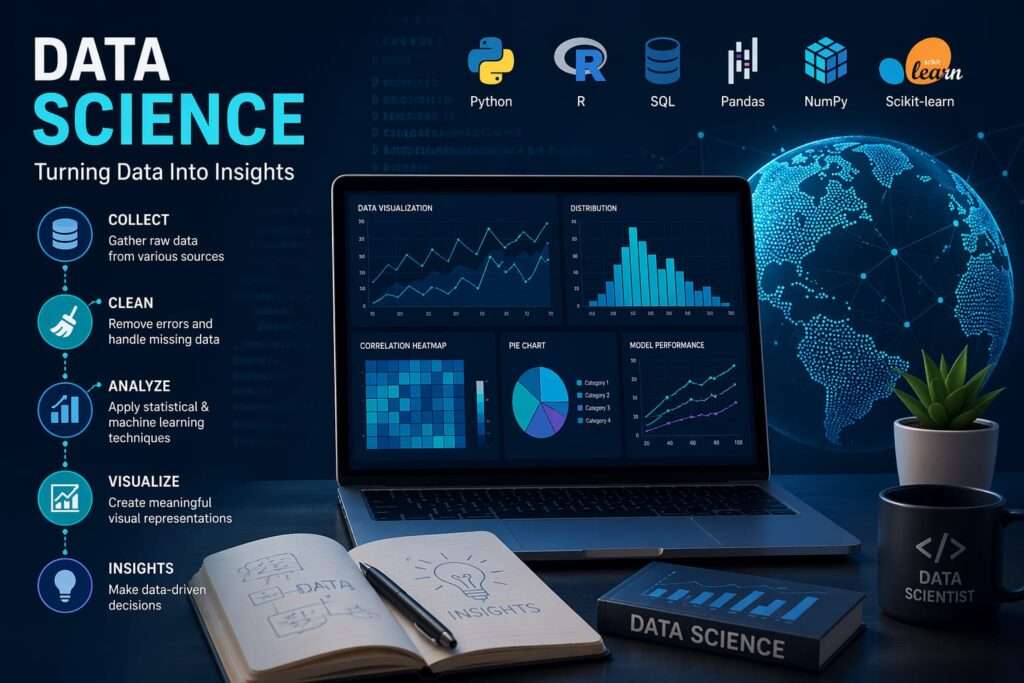
Data Science is a multidisciplinary field that combines mathematics, statistics, programming, machine learning, and domain expertise to extract actionable insights from structured and unstructured data . It enables organizations to analyze trends, predict outcomes, and make data-driven decisions across industries such as healthcare, finance, e-commerce, and transportation. Key roles: Data Scientist, Data Analyst, ML Engineer.
Role of datascience in real world-industries:
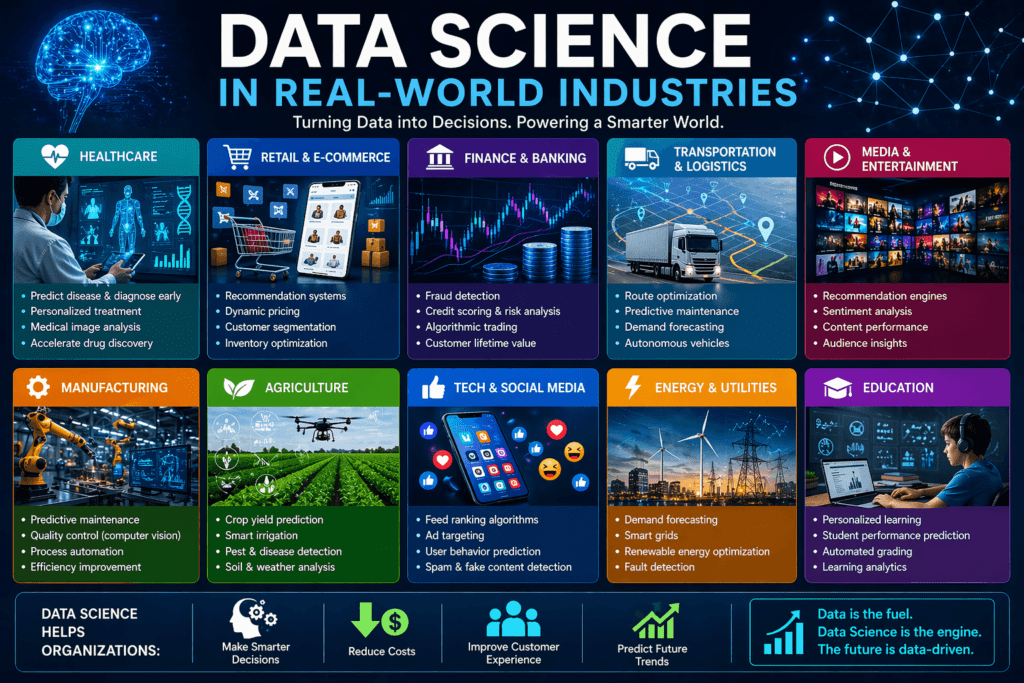
Data science plays a crucial role in various industries by providing insights that drive decision-making and innovation. Here are some key applications of data science in real-world industries
1.Healthcare
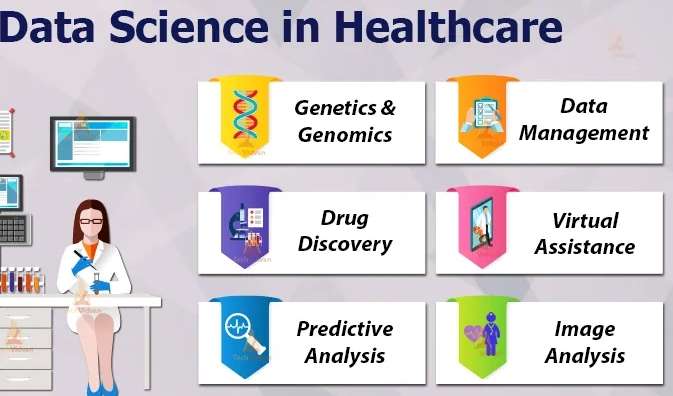
- Predictive analytics for disease outbreaks and patient health risks.
- Medical imaging analysis using AI to detect anomalies faster than traditional methods.
- Personalized treatment plans based on patient data and genetic information.
- The future of healthcare lies in AI-powered decision support systems, genomics-driven treatments, and predictive health monitoring.
- Example: Hospitals use machine learning to predict patient readmission rates and optimize care.
2. Finance
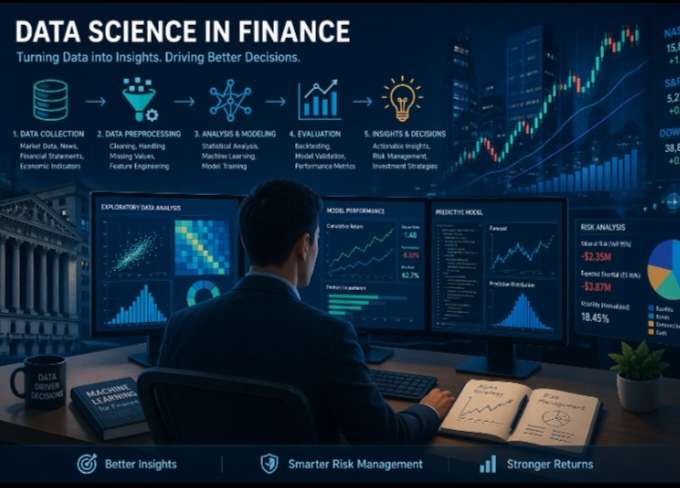
- Fraud detection by analyzing transaction patterns in real time.
- Algorithmic trading using predictive models to maximize returns.
- Credit scoring with advanced data models beyond traditional metrics.
- Example: Banks use data science to detect unusual spending behavior and prevent fraud.
3.Retail & E-commerce
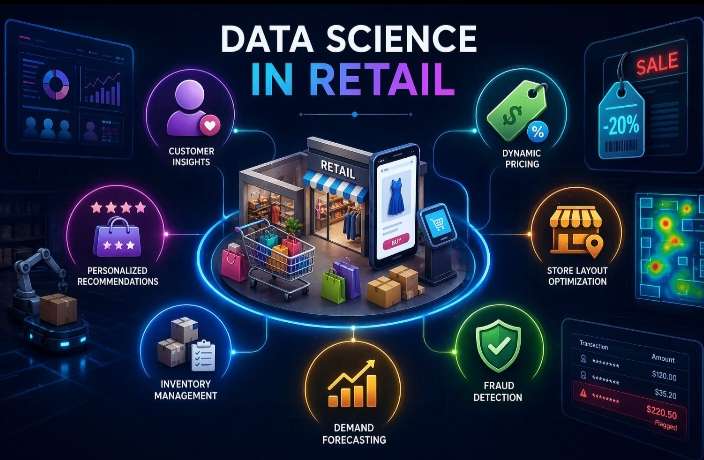
- Recommendation systems (like Amazon or Flipkart) suggest products based on browsing history.
- Inventory optimization by predicting demand trends.
- Customer sentiment analysis from reviews and social media.
- Example: Myntra uses data science to personalize fashion recommendations.
4. Manufacturing
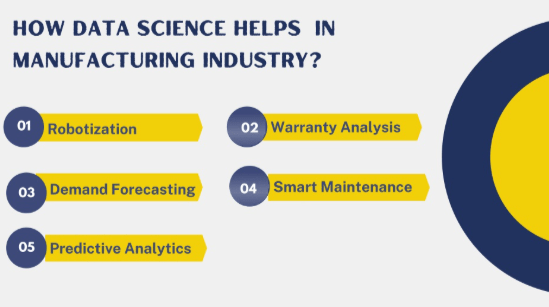
- Predictive maintenance to reduce downtime by forecasting equipment failures.
- Supply chain optimization using real-time data.
- Quality control through automated defect detection.
- Example: Automotive companies use IoT + data science to monitor machinery health.
5. Transportation and logistics
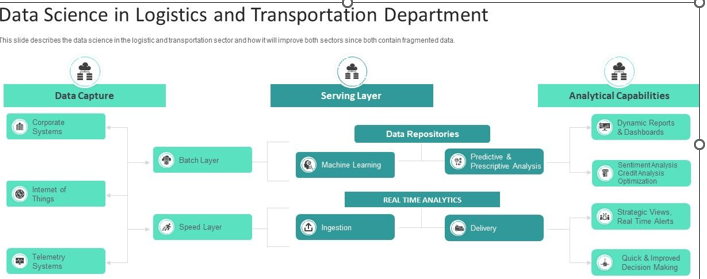
- Route optimization for delivery services (e.g., Swiggy, Zomato).
- Traffic prediction using GPS and sensor data.
- Fleet management with predictive analytics.
- Example: Ola and Uber use data science for dynamic pricing and demand forecasting.
6.Marketing
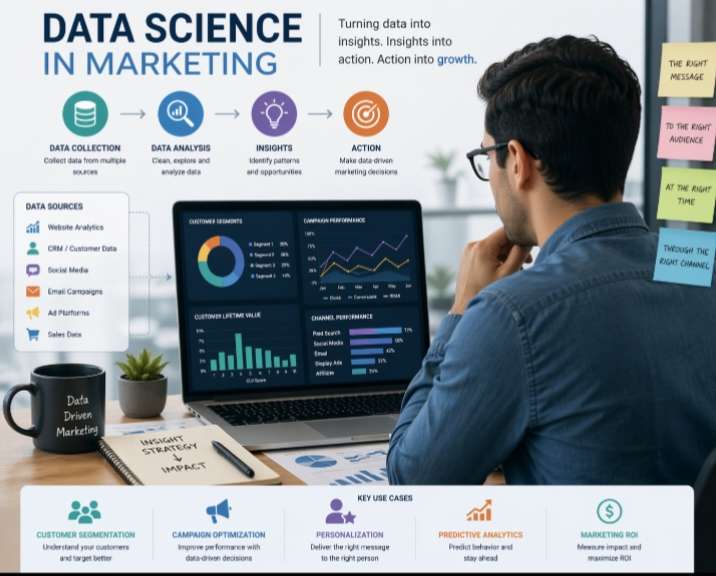
- Targeted campaigns using customer segmentation.
- A/B testing to measure ad effectiveness.
- Social media analytics to track brand engagement.
- Example: Companies use data science to predict consumer behavior and tailor ads.
Conclusion:
Datascience has quietly become the engine room of modern industries. From healthcare diagnosing diseases faster, to banking detecting fraud in seconds, to retail predicting what customers want before they ask, it turns raw data into clear, actionable intelligence. In the real world, data science is not just about numbers or algorithms. It is about smarter decisions, efficiency, and innovation. Companies use it to reduce costs, improve customer experience, optimize operations, and stay competitive in a fast-moving market.
As industries continue to generate massive amounts of data, the role of data science will only grow stronger. It acts like a compass in a dense forest of information, guiding organizations toward better strategies and future opportunities.